
One of the questions we’re asked most frequently as professional event planners is how long does it take to plan an event? When it comes to wedding planning, the answer to this question can vary from anywhere between 6 months to 2+ years. For business/professional or corporate events, however, it’s best to keep your event planning within the tax year to help with financial record-keeping. And as for community events or events just for family, friends, and loved ones, the timeline for event planning can also differ based on other factors, like the size of your guest list.
If prepping a tailored event planning timeline sounds like a daunting task, then let our experts at Canvas House break it down for you, with our easy-to-follow event planning timeline tips that’ll be sure to take the stress out of event planning for you.
What is an Event Planning Timeline?
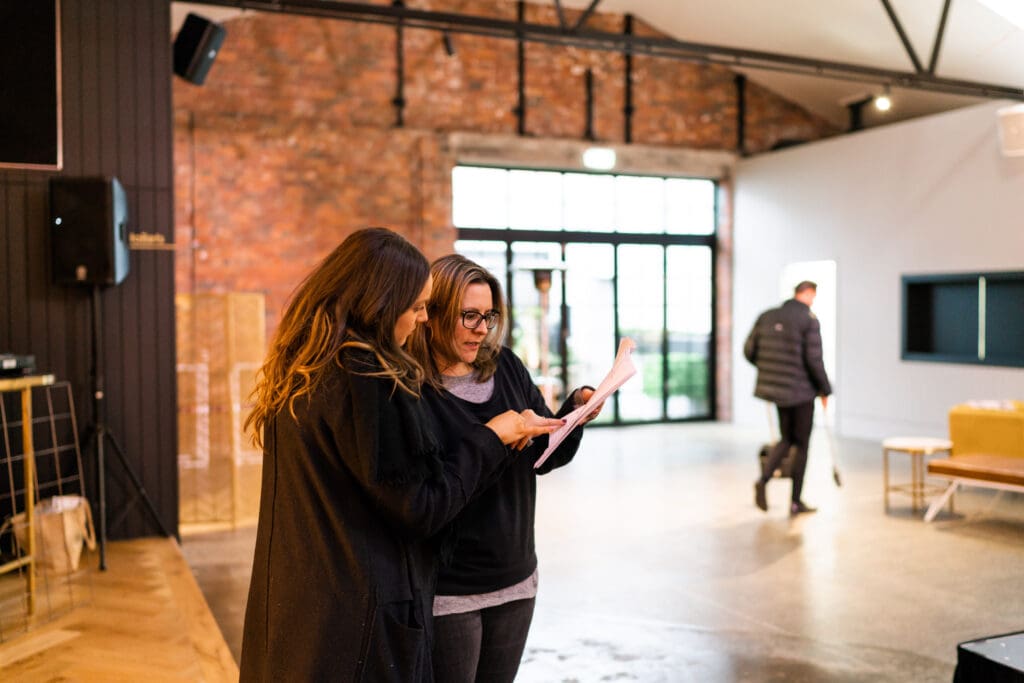
An event planning timeline is a reference used to help break down all the individual tasks and items that will need to be completed during your event planning process.
Your event planning timeline should ideally take you from Day 1 of your planning process all the way through to the day of your event – and perhaps even the day after your event, if you’ll also need to factor in packing up and uninstalling decor with your venue.
Key Components to Add to Your Event Planning Timeline
To ensure a thorough overview of all the logistical considerations for planning your event, event planning timeline should include the following details:
- Payment and application deadlines – deadlines for applications for planning permits, etc.
- Marketing and promotion campaign dates – launch dates + early bird/round 1/round 2 ticket sales, etc
- Allocated tasks and status updates – who’s doing what, and when can you expect to hear from them?
- Planning milestones – tick off when details are finalised with your venue, caterers, suppliers, entertainment, etc.
How long Does it Take to Plan a Professional Event?

The timeframe for planning events can be influenced by a few factors, including the type of celebration, and the size of your guest list. Here are a few insights on the size and scope of event planning timelines across the main types of events we’ve hosted at Canvas House.
Birthdays, Anniversaries, etc.
Our hosts often inquire about a birthday venue hire with us about 4-6 weeks before a scheduled birthday celebration. This timeframe is also ideal for surprise parties, as a condensed planning timeline of 4-6 weeks means partygoers don’t have to keep the birthday person in suspense for too long.
Anniversaries operate off a similar estimated event planning timeline of about 4-6 weeks. For milestone anniversaries or anniversaries that double up as vow renewals, however, hosts may start planning even further in advance to account for time for florists and other suppliers to work their magic.
Weddings
Given the sheer size and demand of the wedding industry, most venues stipulate that couples book their wedding venue at least 1-2 years in advance. This timeline is also ideal for ensuring optimal time to source all the other bits and pieces needed for your wedding day – think bouquets, centrepieces, and other floral arrangements, bridal gowns, wedding cakes, entertainment, celebrants, etc.
Keep in mind too that it also takes some time to select an ideal wedding venue. Couples rarely fall in love with the first venue they book a tour of, so additional time may be allocated towards simply finding where you’d like to say ‘I do’.
Finally, outside of sourcing suppliers, bakers, caterers, and florists, wedding planning also comes with its fair share of administrative tasks, like hand-writing invitations, collating dietary preferences for guests, and finalising your wedding seating chart. With all there is to do, even 1-2 years’ worth of planning still doesn’t feel like long enough.
Benefits and Gala Dinners
As benefits and gala dinners are more upscale ticketed events, event planning generally takes anywhere from 8-12+ months. This allows for adequate time to:
- Collaborate with non-profit or charity partners,
- Coordinate with caterers and wait staff,
- Book entertainment or guest speakers,
- Market/promote your event,
- Outline fundraising plan,
- Sell tickets/plates and prepare a detailed guest list
For more insights on how to host a gala dinner, check out this detailed guide.
Corporate Events
Some businesses literally spend 6-12 months planning their work Christmas party. And then there are other corporate clients who may book a conference venue on a monthly basis. This is to say that corporate events can be quite broad and varied, so you’ll find that event planning timelines for business events can fluctuate depending on what type of professional event you’re looking to host. As we mentioned, however, most corporate events do fall within a 12-month event planning timeline to ensure costs stay within the corresponding financial year for tax purposes.
Standard 12+ Month Event Planning Timeline: Let’s Break it Down

Given that ~12 months is a great average timeframe for planning professional events, let’s break down exactly what tasks you’re likely to tick off at every phase during your standard 12 month event planning timeline.
12+ Months Before: Outline the Purpose and Objectives of Your Event
The first phase of developing an event plan is to simply outline the purpose or intention behind your event, and how you aim to achieve these objectives. Is it a fundraiser or more of a networking or even training event? Will it be ticketed? Will you work with third-party suppliers or internal suppliers? Will you work in partnership with corporate sponsors? These are all questions that must ideally be answered at this stage of your event planning timeline.
At this stage, you may also opt to finalise your venue and vendor booking/s. Looking at a venue space at this stage allows ample time for you to book a tour with your shortlisted vendors and other event partners.
To recap, here are some of the key tasks you should look to complete 12+ months before your event:
- Define purpose or intention behind the event
- Set a date and time for your event
- Establish event budget
- Book venue space and find vendors/caterers, etc.
- Book event entertainment (guest speakers, musical acts, etc.)
- Collaborate with event sponsors and co-hosts
6 Months Before: Commence Event Promotion + Finalise Vendor Agreements
With your venue, vendors, and event entertainment set in stone, it’s finally time to start promoting your event. This will involve preparing promotional materials like posters and flyers, but also social media ads and ticket portals. You can even set up a website with a dedicated ticket portal if you feel this may be more beneficial for your brand (for corporate events). Just be sure to include sponsor branding alongside your own branding.
Prior to event promotion, however, you’ll need to refine your profit margins, if you’re hosting a paid and ticketed event. Setting up these event registration and ticket portals with tiered ticket pricing can be an ideal way to not only inspire early bird ticket sales for supporting profit estimates, but also to develop a robust financial model.
And speaking of finances, at this stage, you should also aim to have finalised all contracts with your caterers and other suppliers. If any invoices are still pending payment, make sure they’re processed as soon as possible to give your vendors ample time to make arrangements on their end.
To recap, here are key tasks you should complete ~6 months before your event:
- Refine financial/fundraising models
- Rollout event marketing and promotion
- Confirm event entertainment
- Confirm vendors and finalise vendor agreements
1 Month Before: Finalise Itineraries, Logistics, and Attendee Messaging
With just a month left to go before your event, you’ll want to make sure your event itinerary is now fully finalised and ready to share with your attendee list (both in digital format and via printed event programmes).
At this stage of your event planning timeline, you should also start to consider logistics for the day, including check-in and check-out times and scheduling for vendors, delivery drivers, and event staff (i.e. caterers, bartenders, etc.). Be sure to orchestrate with your venue staff to ensure smooth operations between all elements of your event, from staging and presentations, to kitchen set-up and pack-down, attendee registration and welcome tables, and any reorganisation of furniture during your event (for example, if you’re converting a space from row seating to an open workshop environment).
Alongside sharing your event itinerary, you should also seek to share event updates and anticipatory notices with your attendees to boost engagement. Consider even running promotions like ticket giveaways to inspire last-minute interest and sell any straggling tickets. And if there are any perks to attendance like meet and greets with public figures or perhaps even some scrummy corporate lunches, then make sure you’re showcasing these to also build excitement.
Here are the key tasks you should aim to complete ~1 month before your event:
- Finalise event itinerary
- Confirm event logistics with vendors, venue staff, etc.
- Prepare attendee messaging to build excitement/engagement
2 Weeks Before: Rollout Event Materials, Vendor Briefings, Venue Schedules, etc.
With two weeks left to go, now is the time to finalise print and publication of event materials like event programmes, magazines, business cards, and anything else you want to distribute to your attendees on the day. Ask your venue if you may be able to store these materials on-site before your event day to save you from having to ferry them over the day of.
At this phase of your event planning timeline, you should also make sure all your vendors and event staff have been briefed and are aware of what their schedule and directives are looking like for the day. Be sure to plan these schedules in partnership with your venue staff, who’ll be able to give you all the info you need on venue check-in and check-out procedures for all vendors and suppliers.
Here are the tasks you should seek to complete with 2 weeks to go till your event:
- Print and publication of event materials (i.e. event programmes, pamphlets, etc.)
- Finalise briefings for vendors, caterers, and other event staff
- Finalise venue schedules so your venue knows who to expect and when
1 Week Before: Staff Briefing, Tech Rehearsals, Attendee Experience Optimisation
With a week to go before the day, it’s time to finalise all on-site briefings for event staff and to finetune your attendee experience. This means testing registration processes to gauge the user experience, finalising your event decor, running tech rehearsals to maintain an active approach to diagnostics, and taking any other necessary steps to elevate the experience for your eventgoers.
If you’re hosting a hybrid conference and will require live video feeds throughout your event, then it’s essential to test your network connection comprehensively and with the estimated bandwidth needed on the day itself. See if you can organise a quick trial with enough devices to mimic the network capacity you’ll need on the event day itself or during any given itinerary item.
On the Day: Set Up Comms for Event Staff + Capture Event Content
It’s the big day itself, which means all vendors to positions and emcees, workshop facilitators, and other relevant roles working together to ensure your event schedule runs as needed. To support your event staff, you may opt to use UHF radios to maintain communications across different environments (i.e. from the catering kitchen to the main stage to workshop spaces, etc.).
Alongside maintaining comms on the floor, your event photographers should also be out and about capturing plenty of content to share directly to social media on the day (in the form of Facebook or Instagram Stories), and to use as footage for future event promotions – though more on this below.
The Day After: Pack Up, Gather Materials, and Prep Re-engagement Strategies
The day after your event isn’t just about packing up. Yes, that’s a big part of the punch-out process with your venue, but remember that you’ll also have plenty of work on your hands when it comes to gathering up attendee feedback, collecting event photos and videos, and figuring out how best you want to document your event for future reference.
If you’re planning to host future events (i.e. quarterly or annually recurring events, for instance), then the day after your last successful event is the perfect time to brainstorm optimal re-engagement strategies. Will you send all your event attendees a ‘Thank You’ email for taking the time to attend? Will you maintain your subscriber list to deliver exclusive access offers for future events?
Perfect Your Event Scheduling with these Organisational Tips
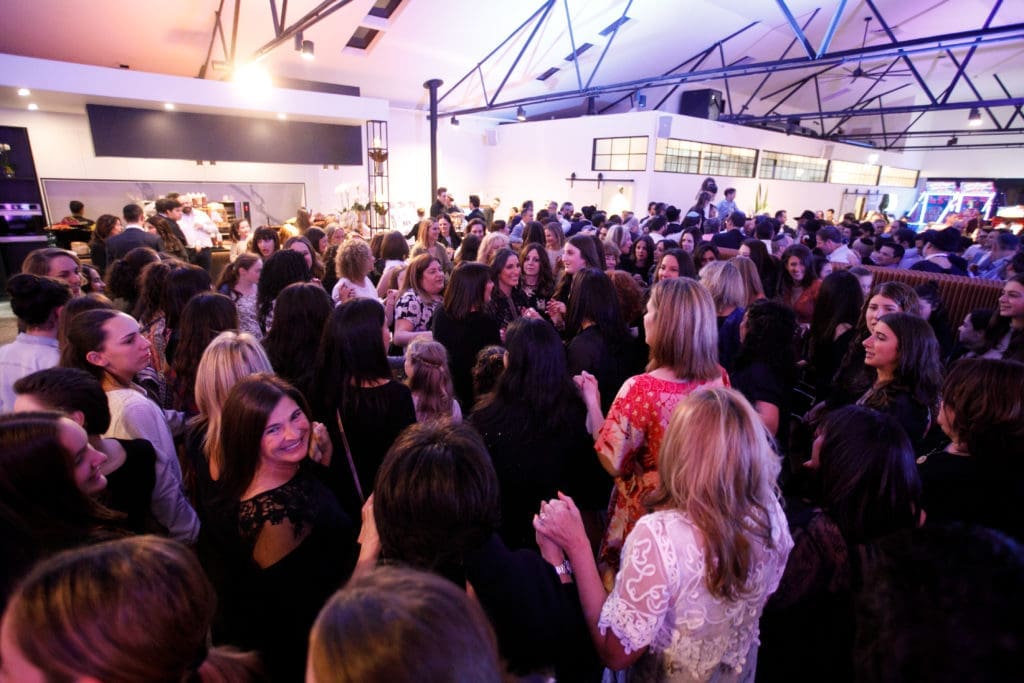
Whether you’re a team of one or are part of a larger events and engagement team, you can definitely use these expert tips and tricks to help you outline a strong event planning timeline, and most importantly, keep it on track.
And if you do need a little extra support with planning your corporate event, then be sure to check out our other resources for corporate event planning here at Canvas House, or simply get in touch with our event planning team to enquire about working with us for your next big business event.

Categories
Book Your Next Event!
Want to know more about holding your next event at Canvas House? Fill out the form below and one of our events team will be in touch.
Leave a Reply